Samhain
The Vampire LestatSamhain is the first-of-November feast in Marius’s account of an ancient cult, the point in its seasonal calendar when sacrifice, prophecy, and judgment converge. Its importance in the story is both ritual and personal: the feast marks the culmination of Marius’s forced transformation into a blood-drinking god, even as he turns the ceremony toward an attempt to escape confinement.
Place in the Ritual Calendar
The god worshipped by Mael and the people he instructed had many titles, including the Drinker of the Blood, the White One, and the God of the Oak. Blood sacrifice was offered to him at every full moon, but Samhain brought the greatest number of human sacrifices. The assembled tribe offered them for the increase of the crops, while the god was also expected to pronounce predictions and judgments.
The rite belonged to a wider seasonal religious pattern. The god served the Great Mother, understood as present in all things, and was identified with the dying god who grows with the crops and is cut down as they are. Against the Mother’s permanence, his seasonal death and return give the calendar a sacred rhythm; Samhain is its most consequential annual observance.
Marius and the Approaching Feast
During Mael’s instruction, Marius learned that the cult’s central god was the figure he himself was being made to become. As summer gave way to the cooler days of fall, his hair grew longer and fuller, and the annual feast drew near. He continued to question Mael about the process and about why he had been selected, but the available account does not give the answers to those questions here.
By the time the feast began, Marius’s thirst had become agonizing. He called on the Druids to take him to the altars, and they answered with cries from the forest. Beyond the sacred grove, the waiting multitude roared in response. Priests joined the procession, flowers were thrown before him, and hymns greeted his approach. The ceremony thus treated him as the god whose power the rite was meant to affirm.
The Oak and the Unresolved Departure
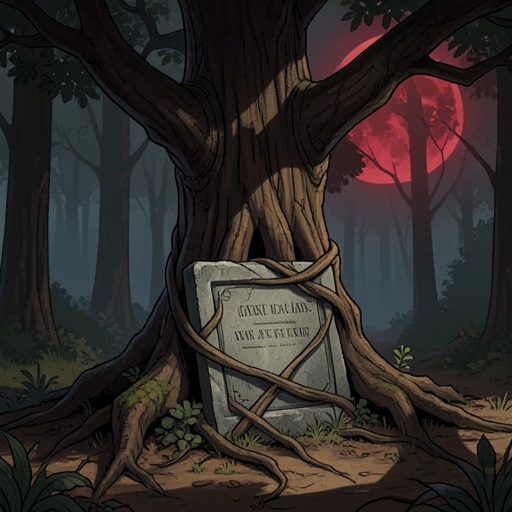
After the feast, Marius faced the ceremony’s next demand: he was to return to the sacred oak and remain enclosed there as the forest’s guardian, speaking through it to priests who came to seek guidance. The old god had instructed him to escape that imprisonment, and the remaining time before dawn was limited.
Marius had not yet decided what to do about Egypt, but he knew the cost of submitting to the Druids’ plan. Confined in the oak, he would endure thirst until the small offering at the next full moon, with the intervening nights given over to what the old god called the god’s dreams. He rejected those secrets as not meant for him. Samhain therefore concludes not with a settled return to the cult’s order, but with Marius facing the choice between renewed confinement and escape.